
Unusual Sounds from the Plumbing
If you've noticed odd noises—like banging or whistling—emanating from your plumbing, it might be a telltale sign of frozen pipes. When water inside the pipes begins to freeze, it can cause shifts in water flow, leading to these unfamiliar sounds. The formation of ice creates blockages that alter the typical pathways of water flow, resulting in the distinct noises that can often startle or perplex homeowners. It's as if the pipes are trying to communicate their distress. The banging noise might mimic a rhythmic pounding, often called 'water hammer,' caused by sudden stoppage of water flow. On the other hand, a whistling noise might occur due to restricted water flow in a partially frozen pipe.
Alternatively, a different sign that something might be amiss is the stark lack of sound or movement when you turn on a faucet. If there's just silence where there should be a gentle rush of water, frozen pipes might be the culprit. This could mean that ice has formed a more severe blockage, stopping water flow altogether. Typically, in functioning plumbing, the sound of water rushing through pipes is a given. When that expected noise is absent, it suggests that water is unable to pass due to ice obstructions. Homeowners who notice these aberrations should not ignore them, as addressing them early can prevent significant damage.
Noticeable Temperature Differences
Frozen pipes often reveal themselves through telltale temperature discrepancies in your living space—specifically on walls or floors. If you feel unusually cold spots, they could be pointing at areas where pipes run underneath or behind. These spots signify that ice within the plumbing is chilling the surrounding area, indicating frozen conditions inside. You might frequently find these cold zones in less insulated parts of the house, such as exterior walls, basements, or areas near windows. Understanding this environment can help homeowners preemptively identify where pipes are vulnerable to freezing, averting future problems by improving insulation or rerouting water flow.
Moreover, in some areas, you might even witness frost accumulating on the outside of exposed pipes, especially in less frequented areas like basements or attics. Frost is a solid indicator that the temperature has dropped enough for ice to form inside the pipes. It's as if nature is providing a visual cue, alerting you to the freezing conditions that could soon affect your water supply. Not every part of your home's plumbing will have visible access, but being vigilant about inspecting these exposed sections can save you from potential disasters. Regular checks in these colder spaces might reveal more than just frost, as moisture accumulation can serve as a precursor to water damage, hinting at more profound issues that need addressing.
Reduced Water Pressure
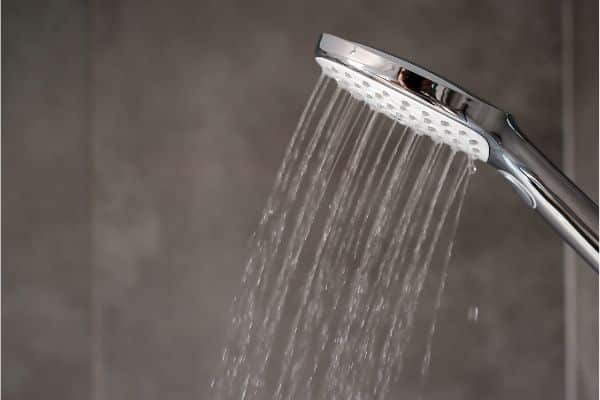
When frost starts to sneak its way into your plumbing system, one of the first signs you might detect is a reduction in water pressure. This happens because even a partial blockage from ice can significantly impede the flow of water through your pipes. Ice reduces the pipe's interior diameter, making it challenging for water to push through with its usual force. If you notice a drop in pressure when you turn on a faucet, especially during colder months, this could be a warning bell for freezing pipes. To diagnose this, try a simple test: turn on different taps throughout your house and note any variances in pressure. This method can help you figure out if the problem is isolated or widespread—an essential first step in identifying and tackling pipe freezes.
Comparing water flow rates can further illuminate the issue. By observing and contrasting the flow from your faucets at different times (especially before and during the colder months), you establish a baseline for normal water behavior in your household. If you experience a sudden or noticeable dip, especially during a cold snap, logic points toward ice forming within your plumbing. Recognizing these patterns empowers homeowners to respond swiftly, whether by insulating pipes, applying heat solutions, or contacting a professional. Awareness and observation form the backbone of effective home maintenance in the face of cold weather challenges.
Complete Water Blockage
An even more alarming signal of severe freezing is if no water emerges from your faucets—complete blockage often indicating severe ice presence within the pipes. This is a situation that homeowners dread in the depth of winter, as it suggests that ice completely obstructs the water pathway. Such severe cases not only disrupt daily life but also increase the risk of pipe bursts due to the pressure buildup behind the ice blockage. If you find yourself facing this situation, it's critical to resist the urge to force open taps or apply severe heat, as this could further damage the pipes.
Instead, a logical step is to check multiple plumbing fixtures throughout your home. If the blockage is widespread, it's likely that pipes in colder, less insulated spaces have fallen victim to the freeze. Identifying which areas are most affected can help direct interventions such as targeted heating or calling in the professionals to address extensive freezing. By systematically assessing each fixture, homeowners can gauge the extent of the freeze and proceed with an informed response—whether it involves at-home remedies or seeking expert assistance.
Visible Pipe Deformation
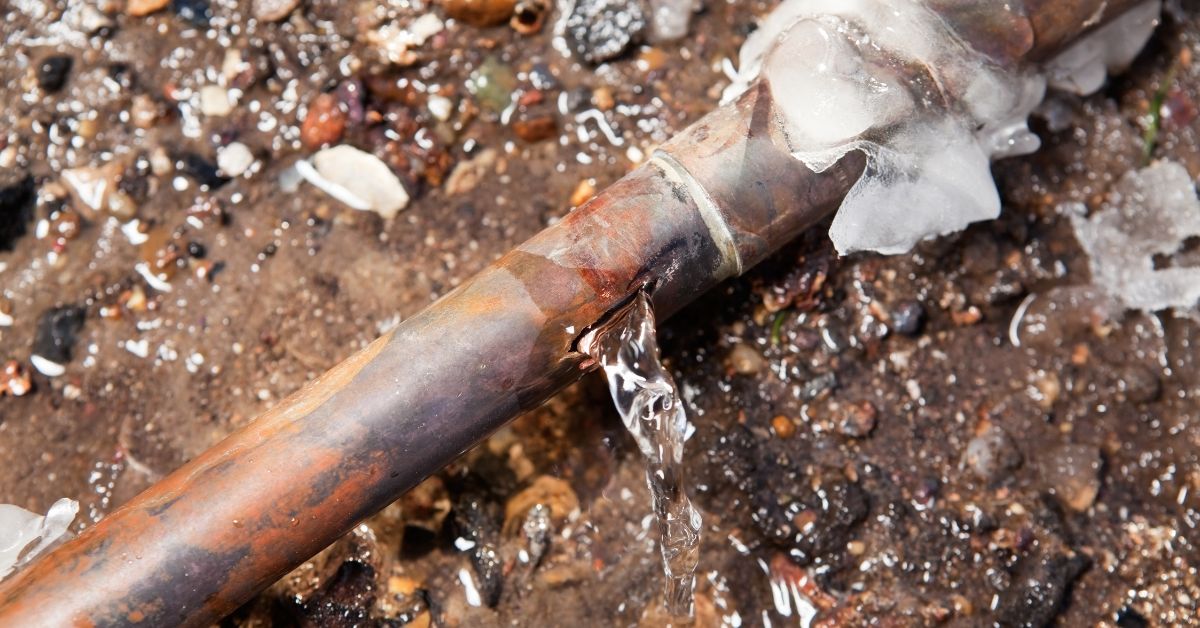
One visible manifestation of freezing within pipes is the alteration of their shape. When water freezes, it expands, exerting tremendous pressure on the pipe walls, which can lead to swelling or bulging. These physical deformities are not just cosmetic concerns; they indicate significant stress within the plumbing system. Swollen pipes might retain their structural integrity for a while, but continued pressure increases the risk of them giving way to cracks or ruptures. Detecting these changes early allows homeowners to address the root cause, preventing leaks or catastrophic bursts that would mean costly repairs and potential water damage to homes.
In more severe cases, ice formation within the pipes can lead to cracks or splits as the structural integrity of the pipes gives way under the expansive force of ice. Not only does this cause immediate leaks when the ice thaws, but it also preludes greater water damage as water seeps into walls, ceilings, or floors. Cracks are often found in older pipes or those made from less resilient material, making replacement or fortification through insulation crucial preventive steps. Keeping an eye out for visible pipe changes during colder seasons can save significant headache and expense down the line.
Water Damage Around the House
Water stains and discoloration can often trace their origins back to hidden plumbing issues, notably frozen or burst pipes. When ice forces pipes to rupture, the resultant leaks manifest in unsightly patches or stains on walls, ceilings, and floors. These marks are more than mere aesthetic inconveniences; they're signals pointing to underlying water problems needing immediate attention. Left unchecked, water stains not only compromise structural elements of a home but can also lead to mold growth—a health hazard for inhabitants. Inspecting areas around visible pipes or spaces known for plumbing issues can help catch these early warning signs, allowing for swift intervention to mitigate damage severity.
Damp or musty odors serve as another alert for homeowners, often caused by concealed leaks in the structure. When ice creates leaks that go unnoticed, moisture accumulates over time, leading to a distinctive musty smell synonymous with water damage. This scent can linger in basements, attics, or rooms adjacent to where plumbing runs, pointing to potential problem areas. Promptly addressing these odors by investigating and fixing leaks can curtail the onset of mold while maintaining air quality and home health. Homeowners should not dismiss a persistently damp smell, as it may suggest frozen pipes wreaking havoc behind the scenes.
Extreme Cold Weather Conditions
During frigid weather, the risk of frozen pipes increases exponentially, and understanding the broader environmental context is vital. Historical temperature drops, especially in areas of Virginia like Glen Allen, showcase a pattern where sustained sub-zero temperatures can imperil plumbing systems. Drawing from past weather data, homeowners can better predict and preempt pipe freeze risks by seeing the coldest months as an opportunity for preparation. As the mercury drops, homeowners must be vigilant, ensuring that exposed pipes are insulated and that any known vulnerabilities in the plumbing are addressed.
Wind chill, often overlooked, plays a substantial role in exacerbating freezing conditions, particularly for outdoor or non-insulated pipes. When wind speeds ramp up, they increase the cooling effect, rapidly reducing temperatures around exposed pipes and propelling them below freezing faster than the forecast might suggest. Understanding these conditions helps prioritize protection for pipes most at risk, such as those on the windward side of the house or in unprotected outdoor spaces. By examining how past weather events have impacted plumbing, residents can anticipate and mitigate similar risks in future cold snaps.
Inadequate Insulation and Heating
Inadequate insulation is a critical factor in the susceptibility of pipes to freezing. Pipes that lack proper insulation are essentially fighting a losing battle against the cold, with no barrier to mitigate the effects. In Glen Allen's chilly winters, insulating material serves as the first line of defense for exposed pipes. Areas within the house that get less warmth, such as basements, attics, or garages, can benefit dramatically from added insulation to protect the plumbing. By investing in insulation today, homeowners can prevent the sorrow of dealing with frozen pipe crises tomorrow.
Additionally, pipes in unheated spaces like garages and crawl spaces are at heightened risk. These areas often lack the consistent warmth that other parts of the house enjoy, making them prime candidates for pipe freezes during cold spells. As the colder months loom, addressing these unheated zones by installing heat sources, sealing drafts, or applying specialized heating cables can significantly diminish the freeze risk. Each proactive step taken to insulate and heat vulnerable pipes not only fortifies a home's plumbing but also delivers peace of mind in winter's depths.
Immediate Steps Upon Detection
Once you've identified potential signs of frozen pipes, swift action is crucial to mitigate further complications. One of the immediate steps involves thawing techniques—methods that could provide a temporary remedy to restore water flow. Using tools like hair dryers or heat lamps on the affected areas can aid in thawing the ice gently, minimizing the risk of damage compared to using open flames or high heat, which might fracture the pipes. While these techniques can be effective, they come with the caveat of exercising caution—it's crucial that the process is gradual to avoid any additional stress or pressure build-up in the pipes.
However, it's vital to recognize when it's time to call in the professionals. If DIY thawing methods fail or if the frozen pipes are not easily accessible, professional plumbers possess the expertise and tools to manage severe cases without exacerbating the issue. In Glen Allen, VA, local plumbers can provide the necessary assistance to ensure the plumbing system is restored to full functionality and any potential complications averted. Recognizing when to seek help can make the difference between a minor inconvenience and a costly repair.
Long-Term Preventive Strategies
Preventive strategies are your best defense when it comes to protecting your pipes against the harsh toll of winter. Enhancing pipe insulation stands out as a pivotal long-term strategy—whether it's wrapping foam pipe sleeves or using heat tape, insulating your plumbing can provide critical protection against cold snaps. Being proactive by visiting your local hardware store or consulting a plumber on the best insulation materials for your home's needs can be a practical measure in preventing an inconvenient freeze.
Additionally, implementing regular maintenance checks is an invaluable practice, especially leading into the winter months. By scheduling inspections, homeowners can identify vulnerable sections of their plumbing early, allowing for necessary preemptive measures. These regular assessments can unveil weaknesses in the system, much like a health check-up designed to catch minor issues before they escalate. Keeping a diligent eye on your plumbing system through the seasons safeguards your home against the unexpected hardships that winter might bring.
Take Care of Frozen Pipes ASAP with R.J. Tilley Plumbing & Remodeling
R.J. Tilley Plumbing & Remodeling is your local partner in harnessing the comprehensive plumbing solutions you need, tailored to the unique climate challenges faced by local homeowners. Whether you're dealing with the ominous signs of frozen pipes or seeking preventive strategies to protect your home, our team is ready to deliver the expert service you need. Don't wait for winter to wreak havoc—instead, let our experienced professionals help you safeguard your plumbing system before issues arise. Reach out to us for an assessment and take the proactive steps necessary to maintain the integrity of your home’s plumbing this winter.
Call R.J. Tilley Plumbing & Remodeling today at (804) 979-2525 or contact us online.