

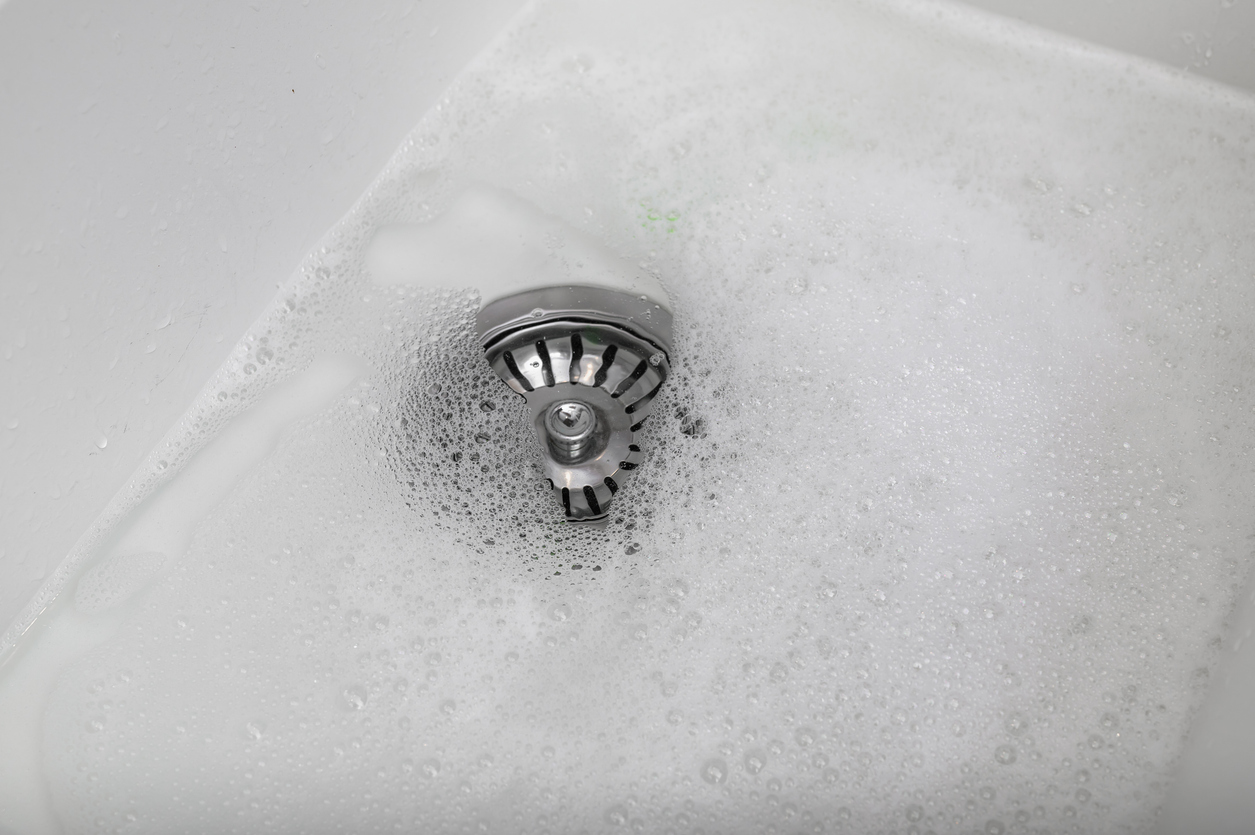
Slow drains are one of the most common plumbing problems homeowners deal with, especially in kitchens, bathrooms, and laundry areas. At first, the issue may seem minor—water takes a little longer to drain, or you notice occasional gurgling sounds after running the sink.
But in many cases, slow drainage is an early sign that buildup or blockage is developing deeper inside the plumbing system. Addressing the problem early can help prevent larger issues such as pipe leaks, sewer backups, or standing wastewater in the home.
Understanding what causes slow drains can also help homeowners know when a simple fix may work, and when professional drain cleaning becomes the safer long-term solution.
Grease and Food Buildup in Kitchen Pipes
Kitchen drains regularly handle grease, oils, soap residue, and food particles. While grease may go down the drain as a liquid, it quickly cools and hardens once it moves through colder plumbing lines.
Over time, this sticky buildup narrows the inside of the pipe and traps passing debris. Many homeowners first notice the issue when the kitchen sink begins draining more slowly after cooking or washing dishes.
Common signs of grease-related drain buildup include:
- water pooling in the kitchen sink
- foul odors near the drain
- bubbling sounds during drainage
- repeated clogs after using the garbage disposal
How Professional Drain Cleaning Resolves Grease Blockages
Retail drain cleaners often create only a small opening through the blockage rather than fully removing the buildup coating the pipe walls.
Professional drain cleaning services typically use mechanical cleaning equipment or hydro jetting to break apart hardened grease safely and restore proper water flow through the line. A plumber may also inspect the pipe condition to determine whether long-term buildup has caused additional damage inside the system.
Hair and Soap Scum in Bathroom Drains
Bathroom sinks, tubs, and shower drains commonly slow down because of hair buildup combined with soap residue.
Hair easily catches around drain components and pipe joints. As soap scum accumulates around the hair, it forms dense clogs that gradually restrict water flow.
In many homes, homeowners notice:
- standing water during showers
- slow-draining bathroom sinks
- recurring clogs every few weeks
- unpleasant smells near tub drains
The longer the buildup remains inside the pipe, the more difficult it becomes to remove completely with basic tools alone.
How Plumbers Remove Hair and Soap Buildup Safely
Attempting to force heavy bathroom clogs deeper into the pipe with chemical cleaners or improvised tools can sometimes damage older plumbing connections.
Professional plumbers typically use specialized drain snakes or augers designed to remove the blockage directly rather than pushing it farther down the line. In recurring situations, plumbers may also recommend drain strainers or inspect the system for underlying drainage issues contributing to repeated buildup.
Tree Root Intrusion in Sewer Lines
When several drains throughout the house begin slowing down at the same time, the issue may be affecting the main sewer line rather than a single fixture.
Tree roots naturally seek moisture underground and can enter older sewer pipes through tiny cracks or loose joints. Once inside, roots continue growing and collect debris traveling through the line.
This type of blockage is more common in aging residential plumbing systems, especially where older clay or cast-iron pipes are present.
Signs of possible sewer line root intrusion include:
- multiple slow drains throughout the home
- recurring backups
- gurgling toilets
- wet or unusually green patches in the yard
How Sewer Camera Inspections and Repairs Help
Because the blockage is underground, identifying the exact location usually requires specialized diagnostic equipment.
Professional plumbing services often use sewer camera inspections to examine the interior of the pipe and confirm whether roots, collapsed sections, or buildup are restricting flow. Depending on the severity of the damage, solutions may include root removal, sewer line repair, or piping and repiping for severely deteriorated sections.
Mineral Scale Buildup from Hard Water
Homes with hard water may gradually develop mineral deposits inside their plumbing lines over time.
Minerals like calcium and magnesium attach to the inner pipe walls, creating rough buildup commonly known as scale. As the layer thickens, water flow becomes more restricted, and debris collects more easily inside the pipe.
Scale buildup often develops slowly, which is why many homeowners do not notice the problem immediately.
Common effects of mineral buildup include:
- reduced water pressure
- slower drainage
- white residue around fixtures
- appliances operating less efficiently
How Plumbing Maintenance Helps Reduce Mineral Buildup
Heavy mineral scale usually cannot be cleared effectively with standard plungers or household cleaners.
Professional plumbing maintenance may include pipe cleaning, water heater flushing, and system inspections to identify buildup before it causes significant restriction or damage. In some homes, plumbers may also recommend water treatment solutions to help reduce future mineral accumulation.
Restoring Proper Drain Flow Starts with Identifying the Cause
Slow drains are often symptoms of a larger issue developing somewhere within the plumbing system. Grease accumulation, hair buildup, sewer line root intrusion, and mineral scale can all restrict water flow gradually over time, even before a complete blockage occurs. Identifying the actual cause early helps reduce the risk of leaks, wastewater backups, and unnecessary damage to pipes and fixtures.
R.J. Tilley Plumbing & Remodeling provides residential plumbing services, drain cleaning service solutions, sewer camera inspections, and piping and repiping for homeowners dealing with recurring drainage problems or aging plumbing systems. Professional inspection and cleaning allow plumbing issues to be diagnosed more accurately, so repairs can be handled safely and efficiently based on the condition of the system.
Noticed your drain's a little slower today? Reach out to R.J. Tilley Plumbing & Remodeling today or call (804) 979-2525 to schedule a professional plumbing inspection and identify the source of the problem before it worsens.