

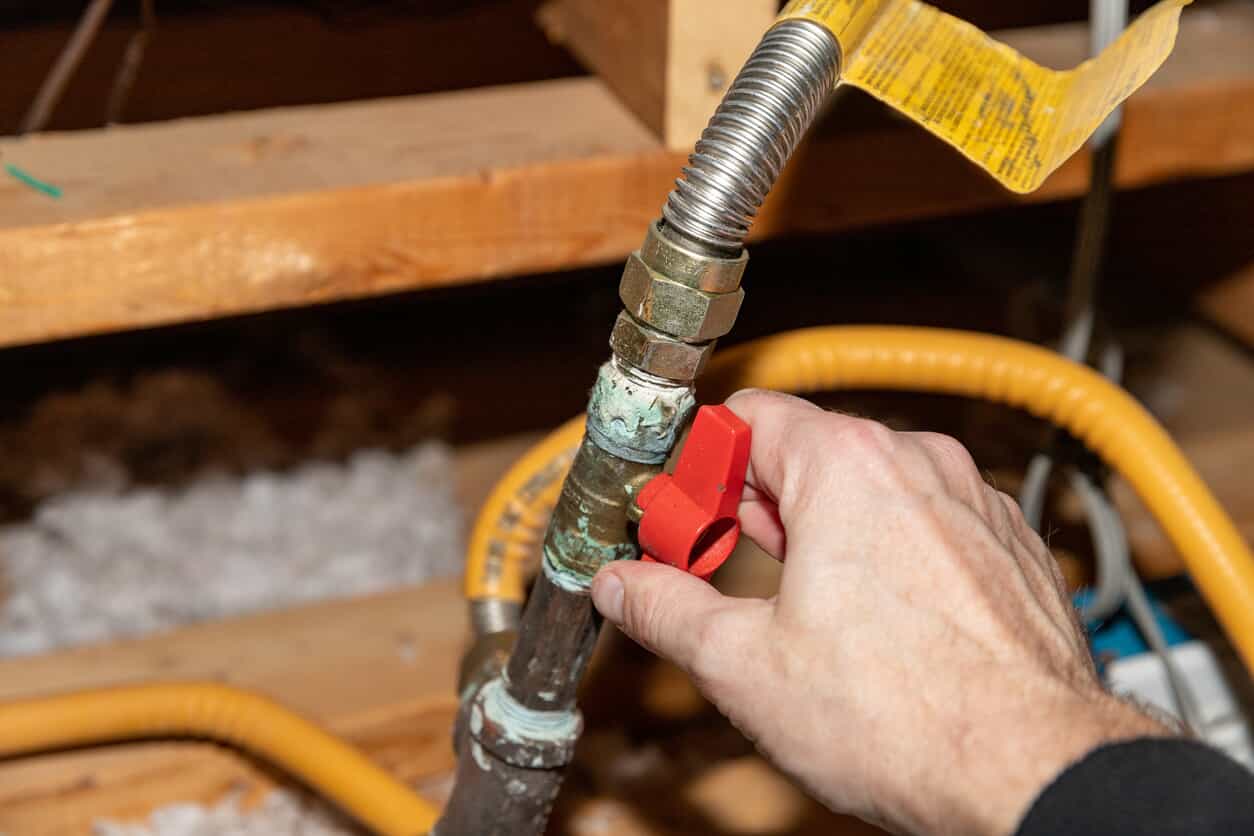
Most homeowners do not think much about their gas lines until something feels off. Maybe there is a faint sulfur smell near the stove, a water heater that suddenly struggles to stay lit, or patches of grass dying for no clear reason.
Natural gas is a safe and reliable fuel source when your system is properly installed and maintained. But like any part of your home, gas piping can wear down over time. Loose connections, aging materials, corrosion, or shifting ground can all lead to problems that should never be ignored.
Knowing the warning signs can help you act early and understand when it is time to call a licensed professional for a gas line inspection, repair, or even a new gas line installation before a small issue becomes a major safety concern.
Pay Attention to Rotten Egg or Sulfur Smells
One of the clearest warning signs of a gas leak is a smell similar to rotten eggs or sulfur.
Natural gas does not have an odor on its own, so utility companies add a harmless chemical called mercaptan to make leaks easier to detect. If you notice this smell near your stove, water heater, gas fireplace, basement, or utility room, take it seriously.
Even a faint odor should not be ignored.
In some cases, a loose connection or worn fitting may require a simple gas line repair. Other times, an older section of piping may need replacement to restore safe operation.
If the smell is strong or overwhelming:
- Leave the house immediately
- Avoid using light switches or electronics indoors
- Do not light matches or candles
- Call emergency services or your gas utility from a safe location
Once the immediate situation is safe, a licensed gas line plumber can inspect the system and identify the source of the leak.
Listen for Hissing Sounds Near Appliances or Pipes
Gas leaks do not always announce themselves with a smell.
Sometimes, escaping gas creates a faint hissing or whistling sound near appliances, shutoff valves, or exposed pipe connections. You may hear it near your water heater, furnace, stove connection, or along visible gas piping.
These sounds can point to:
- Loose pipe fittings
- Worn appliance connections
- Small cracks in gas lines
- Aging valves that no longer seal properly
A small leak may seem minor at first, but gas line issues rarely improve on their own. A licensed gas line plumber can safely test the system, isolate the issue, and recommend the right repair before conditions worsen.
Watch for Dead Grass or Bubbling Soil Outdoors
Not every gas line problem happens inside the house.
Many homes have underground gas lines running from the street or meter to appliances inside the property. When these buried pipes crack or leak, escaping gas can affect the soil above them.
You may notice:
- Unexplained patches of dead or yellow grass
- Plants suddenly struggling in one specific area
- Bubbling in wet or muddy soil
- A faint sulfur smell outdoors near the meter or yard
If one section of your lawn suddenly dies while the surrounding grass looks healthy, it could be more than a landscaping issue.
Underground gas problems often require professional locating equipment and careful excavation. Depending on the condition of the pipe, repairs may involve targeted gas line repair or a partial installation to replace damaged sections safely.
Look for Rust, Corrosion, or Loose Pipe Connections
If you have exposed gas pipes in a basement, crawlspace, garage, or utility area, occasional visual checks are worth the effort.
Over time, moisture and age can wear down metal piping and fittings. Corrosion weakens the line and increases the risk of leaks.
Signs to watch for include:
- Rust or flaking metal on exposed pipes
- White or green buildup around fittings
- Loose-looking pipe joints
- Visible wear near shutoff valves or appliance hookups
Catching these issues early may allow for smaller repairs before larger sections of pipe need replacement.
For older systems or home renovations, homeowners sometimes choose updatedgas line installation services to improve reliability and support newer appliances safely.
Take Notice of Higher Gas Bills or Weak Appliance Performance
Sometimes, the first sign of a gas problem shows up in your monthly utility bill.
If your gas usage suddenly rises without a clear reason, a hidden leak or inefficient gas flow could be part of the issue.
You may also notice appliances behaving differently, including:
- Pilot lights that repeatedly go out
- Burners that take longer to heat up
- Weak heating performance from gas appliances
- Water heaters struggling to maintain temperature
Pay attention to flame color as well.
Healthy gas flames are usually blue. If your stove, fireplace, or water heater starts producing yellow or orange flames, it may signal incomplete combustion or airflow problems that should be evaluated by a professional.
A licensed technician can determine whether the issue calls for a repair, appliance adjustment, or more extensive gas piping work.
Know When Physical Symptoms Could Signal a Problem
In some cases, gas leaks affect more than just appliances.
Low-level exposure to natural gas or carbon monoxide-related issues can sometimes cause physical symptoms, especially in enclosed spaces.
Watch for symptoms such as:
- Headaches
- Dizziness
- Nausea
- Fatigue
- Trouble concentrating indoors
If multiple people in the household suddenly feel better after leaving the home, do not ignore the pattern.
These symptoms can have many causes, but it is always worth ruling out a gas issue—especially if they appear alongside odors, appliance problems, or unusual sounds.
Know What to Do If You Suspect a Gas Leak
If you think there may be a gas leak, safety comes first.
Here is what to do immediately:
- Leave the home right away.
- Do not turn lights, switches, or electronics on or off.
- Avoid using phones inside the house.
- Do not use candles, lighters, or open flames.
- Call your gas utility company or emergency services from a safe distance.
- Contact a licensed gas line plumber to inspect the system before returning home.
Even small leaks deserve professional attention. Waiting too long can increase safety risks and lead to more expensive repairs later.
Frequently Asked Questions About Residential Gas Lines
How do I know if I need gas line repair or replacement?
Small leaks, loose fittings, or isolated corrosion may only require repair. Older systems, repeated leaks, or severely damaged sections may require partial or complete replacement.
Can I inspect or repair a gas line myself?
Gas line work should always be handled by a licensed professional. Improper repairs can create serious fire, explosion, or carbon monoxide risks.
How often should gas lines be inspected?
If your home is older, has aging appliances, or you notice warning signs like odors or corrosion, a professional inspection is recommended. Inspections are also a good idea during remodeling projects involving gas appliances.
What causes residential gas lines to fail?
Corrosion, loose fittings, shifting soil, aging materials, accidental damage, and poor previous installation work are all common causes.
Need a Licensed Gas Line Plumber to Inspect Your System?
Gas line issues are not something homeowners should ignore or put off. Whether you have noticed a sulfur smell, unusual appliance behavior, or signs of wear around exposed piping, addressing problems early can help protect your home and family.
At R.J. Tilley Plumbing & Remodeling, our experienced team provides safe, code-compliant gas line repair, professional gas line installation, and thorough inspections for residential systems. Whether you need a new appliance hookup, underground piping work, or help identifying a possible leak, we are here to help.
If something feels off with your gas system, contact our team today at (804) 979-2525 or fill out our online contact form to schedule an inspection with a licensed professional.