

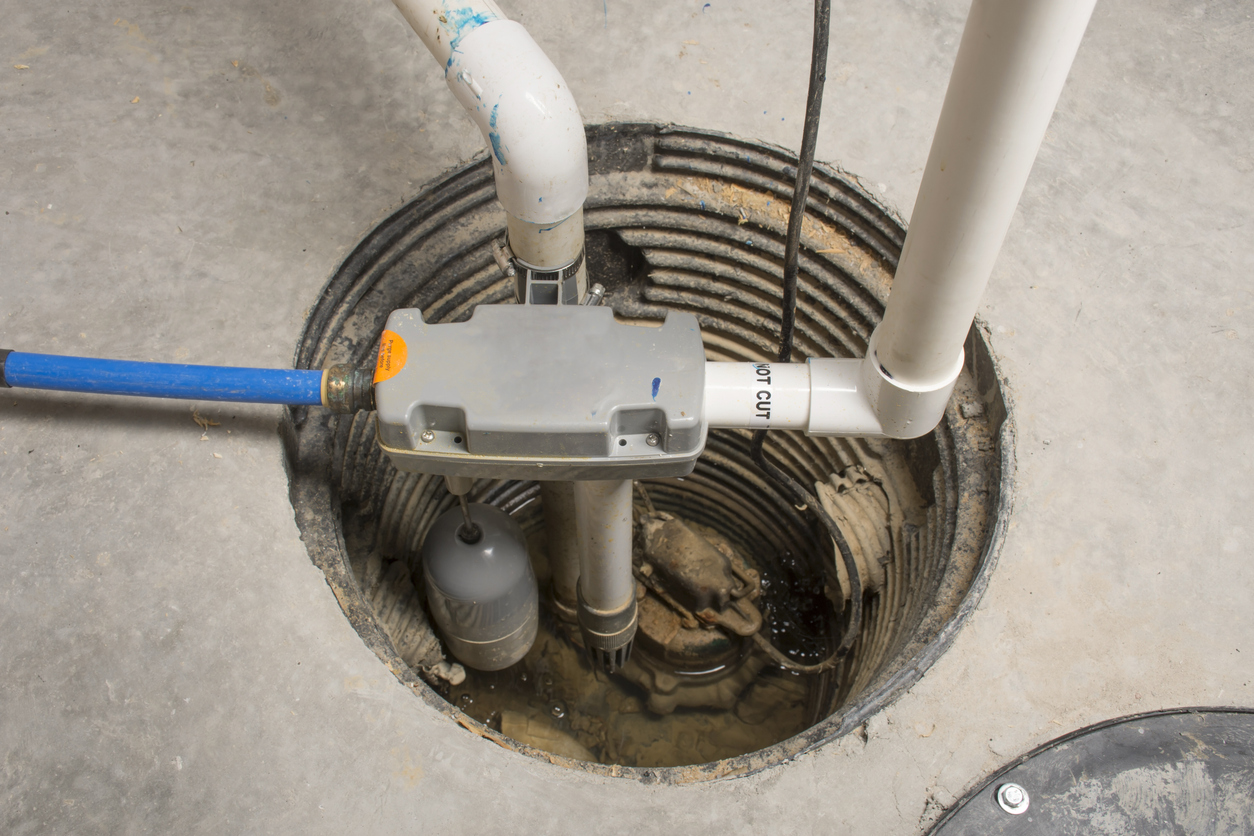
The forecast is calling for a winter storm, bringing a familiar mix of freezing rain, sleet, heavy snow, and rapid warmups that leave everything wet and slushy. You head downstairs and notice something unsettling—the sump pump hasn't made a sound all day.
In Central Virginia, that's not something to ignore. Winter basement flooding often begins underground as melting snow, saturated soil, and rising groundwater place pressure on your home's foundation. If your sump pump isn't ready when that water arrives, the cleanup can become much bigger than the storm itself.
The good news is that not every silent sump pump means immediate replacement. Some issues can be identified within minutes, while others signal it's time to call a professional before severe weather moves in.
Why Winter Puts More Stress on Your Sump Pump
Many homeowners associate sump pumps with spring rain, but winter presents its own challenges.
Richmond and surrounding communities often experience repeated freeze-thaw cycles. During the day, frozen ground begins to thaw, allowing water to move through the soil. Overnight, temperatures drop again, creating conditions where groundwater has fewer places to go except toward foundation drains and sump pits.
Heavy snow followed by warmer temperatures can produce the same effect. Instead of soaking evenly into the ground, melting snow may collect around the home's foundation, increasing hydrostatic pressure against basement walls.
Winter storms can also bring another complication: power outages.
Without electricity, a standard sump pump stops working entirely, even while groundwater continues to rise.
Start With the Simple Things Before Assuming the Pump Has Failed
When your sump pump won't turn on, begin with the easiest checks first. Many service calls end up tracing back to something that takes only a few minutes to correct.
Confirm the Pump Has Power
Start by checking the electrical outlet.
Many sump pumps are connected to a Ground Fault Circuit Interrupter (GFCI) outlet, which automatically shuts off power if it detects a fault.
Look for:
- A tripped GFCI outlet
- A switched-off breaker
- A loose power cord
- An unplugged pump after recent basement work
If the outlet has a reset button, press it firmly before testing the pump again.
Should the outlet immediately trip a second time, leave it off. Repeated electrical trips often indicate a larger problem that should be inspected rather than repeatedly reset.
Test the Float Switch
The float switch tells the pump when water has reached a level that requires pumping.
Sometimes the float becomes stuck against the wall of the sump pit or tangled in the pump cord.
With the pump connected to power:
- Carefully raise the float by hand.
- Listen for the motor.
- Lower it slowly to see if it moves freely.
If lifting the float starts the pump, the motor itself may still be working, but the switch needs adjustment or cleaning.
Afterward, pour a bucket of water into the pit and watch whether the float rises naturally and activates the pump.
Listen Carefully to What the Pump Is Doing
The sounds coming from the pump can provide useful clues.
No sound at all may indicate:
- Electrical issues
- Failed motor
- Internal wiring problems
A humming motor without pumping water often points toward:
- A clogged impeller
- Debris blocking the intake
- Internal mechanical damage
If you're comfortable removing the pump, unplug it first and inspect the intake for stones, sediment, or debris that may be preventing the impeller from turning.
Don't Forget About the Discharge Line
Many homeowners focus only on the sump pump itself.
The discharge pipe deserves just as much attention.
Even if the motor runs perfectly, water still needs a clear path away from the house.
During freezing weather, discharge lines sometimes become blocked by:
- Ice
- Packed snow
- Leaves
- Animal nests
- Standing water frozen inside low sections of pipe
When this happens, the pump may continue running without lowering the water level inside the sump pit.
Over time, that constant strain can overheat the motor and shorten its lifespan.
Inspect the Outside Discharge Point
Before the storm arrives, take a few minutes to walk outside.
Check that:
- Water can exit freely.
- Ice isn't blocking the opening.
- Snow hasn't buried the outlet.
- The pipe slopes away from the home.
- Flexible hose sections aren't sagging where water can collect.
A properly sloped discharge line helps prevent water from freezing inside the pipe between pump cycles.
When Repair Isn't the Best Option
Sometimes, troubleshooting confirms that the pump has simply reached the end of its useful life.
Several signs suggest replacement deserves serious consideration.
The Pump Is Near the End of Its Service Life
Most residential sump pumps last about 7 to 10 years, depending on how frequently they operate, maintenance, and overall conditions.
If yours falls within that age range and has recently begun showing problems, replacing it before severe weather arrives may be the safer decision.
It Runs Constantly During Wet Weather
A sump pump that rarely shuts off during heavy rain or snowmelt may be undersized for the amount of groundwater entering your sump basin.
Constant operation increases wear on the motor and leaves little margin if water levels continue rising.
An appropriately sized pump should keep up with the expected water volume without operating continuously for extended periods.
Consider a Battery Backup Before You Need One
Winter storms often combine two problems at once:
- Rising groundwater
- Electrical outages
If the power goes out, a standard electric sump pump stops immediately.
A battery backup system automatically takes over when electricity is interrupted, allowing water to continue moving away from the foundation until utility service is restored.
For many homeowners, adding backup protection before winter becomes far easier than dealing with flooding during a prolonged outage.
If Water Is Already Entering the Basement, Safety Comes First
When flooding has already begun, protecting people is more important than protecting belongings.
Avoid walking through standing water until you're certain there are no electrical hazards nearby.
If it's safe to do so:
- Shut off power to the basement circuits if needed.
- Move electronics and valuable items to higher shelves.
- Relocate important documents and keepsakes.
- Use a portable utility pump or wet/dry vacuum if available while waiting for permanent repairs.
Acting early can often reduce the amount of water that spreads into finished areas of the basement.
A 10-Minute Pre-Storm Sump Pump Check Is Time Well Spent
If your sump pump appears to be working, it's still worth giving it a quick test before freezing weather moves in. A few minutes now can reveal issues while you still have time to address them.
Perform a Simple Water Test
One of the easiest ways to check your sump pump is to simulate the conditions it's designed to handle.
Pour a bucket of water into the sump pit and watch what happens.
A properly functioning system should:
- Allow the float to rise naturally
- Turn the pump on automatically
- Remove the water efficiently
- Shut off once the pit returns to its normal level
If the pump struggles, cycles repeatedly, or leaves excessive water behind, it deserves further attention before the next storm.
Walk Outside and Check the Drainage
The discharge pipe should move water well away from the foundation.
Take a quick walk around the outside of your home and look for:
- Leaves or debris covering the outlet
- Snow piled over the pipe opening
- Ice beginning to form
- Sections of pipe that have shifted or sagged
- Water draining back toward the foundation
Keeping this pathway clear allows the pump to do the job it was designed for.
Test Your Battery Backup System
If your home already has a battery backup sump pump, don't assume it's ready simply because the indicator light is on.
Most manufacturers recommend testing the backup system periodically to confirm it will operate when needed.
Check that:
- The battery is fully charged.
- The backup pump activates correctly.
- Water is discharged normally.
- The battery hasn't exceeded its recommended service life.
Like any backup equipment, it's far better to discover a problem during a routine inspection than during a winter power outage.
Winter Storm Preparation Doesn't Stop With the Pump
A working sump pump is one part of protecting your basement.
Homeowners can also reduce flood risks by paying attention to the areas surrounding the home.
Before winter weather arrives:
- Clean gutters so that melting snow drains properly.
- Extend downspouts away from the foundation.
- Remove leaves from foundation drains where accessible.
- Avoid piling snow directly against the basement walls.
- Inspect basement windows for damaged seals or obvious leaks.
These simple maintenance tasks help reduce the amount of groundwater your sump pump has to manage during heavy precipitation or rapid snowmelt.
Know When It's Time to Call a Professional
Some sump pump problems have straightforward solutions.
Others require professional diagnosis before winter weather arrives.
It's a good idea to schedule service if:
- The pump won't start after basic troubleshooting.
- The motor repeatedly trips the breaker.
- Water backs up despite the pump running.
- The discharge line continues freezing.
- The pump is approaching the end of its expected lifespan.
- You're unsure whether your current pump is properly sized for your home.
Addressing these issues before a storm is typically far easier than dealing with a flooded basement after one.
Be Ready Before the Next Winter Storm Arrives
Winter weather in Central Virginia can bring freezing rain, melting snow, saturated ground, and power outages—all of which place added demands on your sump pump. Taking a few minutes to inspect your system before a storm can help uncover small problems before they become expensive ones.
If your sump pump isn't operating properly, you're considering replacing an aging unit, or you'd like to install a battery backup system, R.J. Tilley Plumbing & Remodeling is here to help.
Call (804) 979-2525 to schedule service, or schedule your sump pump inspection here before the next winter storm.