

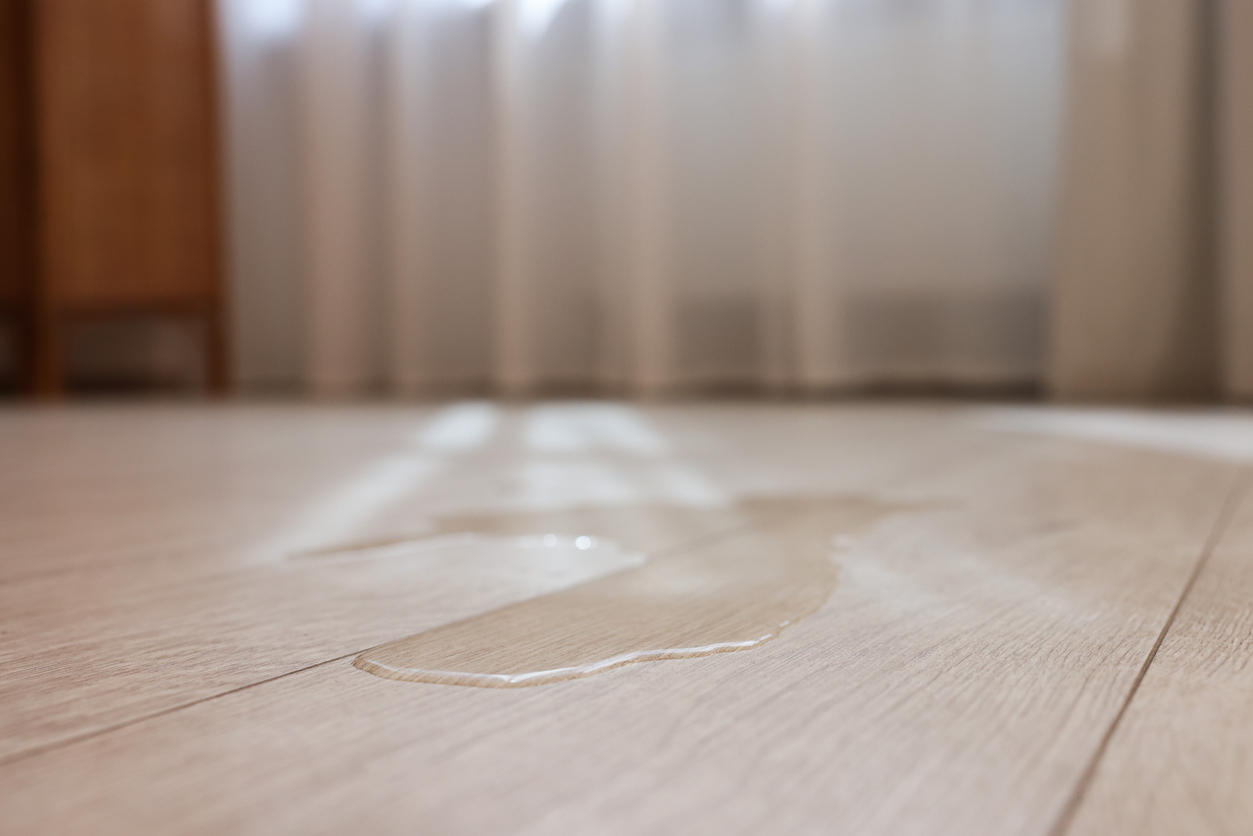
You hang up after scheduling yet another plumbing visit, and the same thought keeps nagging at you: How many times am I going to fix this before something bigger goes wrong? The last leak seemed handled, but now there is a new stain on a different ceiling, or that same weak shower pressure has returned.
This is a situation many homeowners in Richmond and Central Virginia eventually face. A single pipe repair is often the right solution, but there comes a point when repeated fixes become a sign that the plumbing system itself is reaching the end of its service life. Knowing when you've crossed that line can help you avoid unexpected water damage, mounting repair bills, and ongoing frustration.
If your home has older plumbing or you've had several repairs over the past few years, it's worth looking beyond the latest leak and considering the condition of the entire system.
A Pipe Repair Fixes the Problem You See—Repiping Solves the One You Don't
A plumbing repair focuses on one damaged section of pipe. If the rest of your plumbing is in good shape, replacing a cracked fitting or repairing a single leak is usually the most practical and cost-effective choice.
The situation changes when similar problems begin appearing throughout the house.
Water supply pipes installed at the same time generally age at the same rate. Once corrosion, mineral buildup, or material deterioration starts affecting one area, the rest of the system often isn't far behind. Repairing one leak today doesn't stop another from forming next month in a different bathroom or behind another wall.
Instead of looking only at the latest repair, consider the bigger picture:
- Have leaks appeared in multiple rooms?
- Have repair calls become more frequent?
- Have you paid to repair drywall or flooring after plumbing leaks?
- Is the water pressure or water quality getting worse?
When the answer to several of these questions is yes, replacing aging pipes may ultimately be the more practical investment than continuing to patch isolated failures.
Older Pipe Materials Are More Likely to Develop System-Wide Problems
Not every plumbing system ages the same way. The material inside your walls plays a major role in whether repeated repairs are likely to continue.
Galvanized Steel Pipes
Many homes built before the 1960s still contain galvanized steel supply lines.
Although these pipes were designed to last for decades, the protective zinc coating gradually wears away. Once exposed, the steel begins to corrode from the inside, allowing rust and mineral deposits to narrow the pipe.
Homeowners commonly notice:
- Lower water pressure throughout the house
- Rust-colored water, especially after faucets haven't been used
- Frequent leaks as weakened sections continue to deteriorate
Since corrosion affects the entire pipe—not just one location—individual repairs rarely solve the underlying issue.
Polybutylene Pipes
Homes built between the late 1970s and mid-1990s may contain polybutylene plumbing.
While once considered an affordable alternative, this material has developed a well-documented history of premature failure. Exposure to chlorine, commonly found in municipal water supplies, can cause the pipe to weaken internally before any visible damage appears.
Instead of developing slow leaks, polybutylene pipes often split unexpectedly.
For many homeowners, replacing this material before major failure occurs is less disruptive than waiting for an emergency.
Aging Copper Pipes
Copper has earned a reputation for durability, but older copper systems can eventually develop pinhole leaks.
Water chemistry, natural corrosion, and decades of use may gradually thin the pipe walls. At first, replacing one damaged section works well. However, when pinhole leaks begin appearing in several different locations, it often indicates widespread wear rather than an isolated defect.
Six Signs Your Home May Be Ready for Repiping
Sometimes your plumbing system tells the story long before a major failure happens. Watching for these patterns can help homeowners make informed decisions before small problems become larger ones.
1. Leaks Keep Appearing in Different Areas
A repaired kitchen pipe followed by a bathroom leak several months later—and then another leak in the laundry room—is rarely just bad luck.
Repeated failures throughout the home usually suggest the plumbing system is aging as a whole rather than experiencing isolated damage.
2. Water Pressure Continues to Decline
If every faucet seems weaker than it used to be, internal pipe corrosion or mineral buildup may be restricting water flow.
This is especially common with older galvanized piping, where rust slowly narrows the inside diameter of the pipe.
Corrosion and scale buildup are common causes of reduced flow in aging water distribution systems, affecting both performance and reliability.
3. Your Water Looks Rusty or Discolored
Brown, orange, or yellow water—particularly from cold water taps—often points to corrosion inside supply pipes rather than a water heater issue.
If discoloration continues after plumbing repairs, the problem may extend throughout the home's piping system.
4. Water Bills Increase Without a Clear Reason
A slow leak hidden behind drywall or beneath flooring can waste a surprising amount of water before visible damage appears.
The U.S. Environmental Protection Agency (EPA) estimates that household leaks waste nearly one trillion gallons of water nationwide each year, with even small leaks adding significantly to monthly water bills.
If higher water usage can't be explained by seasonal changes or household habits, your plumbing deserves a closer inspection.
5. Visible Corrosion on Exposed Pipes
Take a look around your basement, crawl space, or utility room.
Signs like:
- Rust
- White mineral deposits
- Green corrosion on copper
- Moisture around fittings
may indicate aging pipes throughout the system—not just where visible damage appears.
6. Water Tastes Metallic or Contains Sediment
Water should be clean and clear.
If you occasionally notice metallic flavors, gritty particles, or unusual discoloration, aging plumbing materials could be contributing to the problem.
While water quality issues can have several causes, deteriorating supply lines are one possibility worth investigating—especially in older homes.
You May Not Need to Open Walls to Identify Older Plumbing
Many homeowners assume that determining pipe material requires major demolition.
Fortunately, that's usually not the case.
Exposed plumbing near the water heater, under sinks, inside crawl spaces, or in unfinished basements often provides enough information for an experienced plumber to identify the type of piping serving most of the home.
Here's what you may find:
- Galvanized steel: dull gray threaded metal with signs of rust
- Copper: reddish metal that may develop green oxidation over time
- Polybutylene: gray plastic pipe often stamped with "PB"
- PEX: flexible red, blue, or white tubing commonly used in modern repiping projects
Finding multiple pipe materials in one home can also indicate previous partial replacements—another reason to evaluate whether the remaining original plumbing should be updated.
Planning a Kitchen or Bathroom Remodel? It May Be the Right Time to Repipe
A remodeling project often provides the ideal opportunity to replace aging plumbing.
Because walls and floors are already being opened, plumbers have easier access to supply lines without creating additional demolition later. Combining the two projects can also reduce labor costs and minimize disruptions around the home.
It also gives homeowners confidence that new cabinets, flooring, showers, and fixtures won't be connected to plumbing that's already nearing the end of its lifespan.
What to Expect If Your Home Needs Repiping
The word repiping can sound overwhelming, but modern repiping projects are much more organized than many homeowners expect. Advances in plumbing materials and installation methods allow much of the work to be completed with minimal disruption.
Modern Pipe Materials Offer Long-Term Reliability
Today's whole-home repipes typically use one or both of these materials:
Copper
Copper remains a dependable option for many homes. It's durable, handles hot water well, and has been used successfully in residential plumbing for decades.
PEX
PEX (cross-linked polyethylene) has become increasingly popular because it's flexible, corrosion-resistant, and requires fewer fittings than rigid piping. Since it can often be routed through walls with smaller access points, drywall repairs may be less extensive than with traditional pipe replacements.
An experienced plumber will recommend the material that best fits your home's layout, plumbing needs, and local building codes.
Most Homeowners Stay in Their Home During the Project
One of the biggest misconceptions about repiping is that you'll need to move out.
In many cases, that's not necessary.
While every project is different, plumbers typically work in phases, restoring water service whenever possible while moving from one area of the house to the next. The exact timeline depends on factors such as:
- Home size
- Number of bathrooms
- Accessibility of existing plumbing
- Type of pipe being installed
For many single-family homes, the plumbing work itself can often be completed within several days.
The Difference You'll Notice Afterward
Replacing aging pipes doesn't simply prevent future leaks.
Many homeowners also notice everyday improvements, including:
- More consistent water pressure
- Better water flow at multiple fixtures
- Cleaner-looking water
- Fewer plumbing repairs
- Greater confidence in the condition of the home's plumbing system
If your old pipes have been restricting flow or developing repeated leaks, those improvements are often noticeable almost immediately.
Don't Ignore the Pattern Behind Repeated Plumbing Repairs
One plumbing repair doesn't automatically mean your home needs repiping.
But when repairs become a regular occurrence, it's worth stepping back and asking whether the plumbing system itself is beginning to fail.
Recurring leaks, declining water pressure, rusty water, and aging pipe materials often point to a larger issue than a single damaged pipe. Addressing the entire system before another leak develops can sometimes save homeowners from repeated repair costs and unexpected water damage.
If you're unsure whether another repair is enough or a repipe deserves consideration, a professional evaluation can provide clarity based on your home's age, plumbing materials, and overall condition.
Talk Through Your Options With a Local Plumbing Team
Every home's plumbing system tells a different story. Some homes need nothing more than a straightforward repair, while others have reached the point where replacing aging pipes makes more sense than continuing to patch isolated leaks.
If you've started noticing the warning signs discussed above—or you're planning a kitchen or bathroom remodel and wondering whether now is the right time to update your plumbing—R.J. Tilley Plumbing & Remodeling can help you evaluate your options with honest recommendations tailored to your home.
Call (804) 979-2525 to schedule an inspection, or contact our team today to discuss your plumbing repair or whole-home repiping options.